THE JOURNEY HERE
My professional journey began in 2014, when I opened my own handmade jewelry and souvenir studio in Crimea. For our region, this was especially relevant because Crimea had always been a major tourist destination: visitors from all over the world came for the mountains, the sea, the beaches, and the vineyards.


MARKETS & EVENTS
Large seasonal festivals and themed public markets became an important part of my work. These events brought together music, gastronomy, local artisans, farmers, workshops, and creative performances. For me, they were the perfect place to present my brand, communicate directly with customers, understand what people truly value, and see how visual presentation, atmosphere, and strong business strategy work together.
CRAFT TOWN
My first studio, Craft Town, specialized in handmade jewelry and wooden souvenirs created especially for tourists visiting Crimea. Brooches became some of the most popular products — compact, meaningful, and easy to travel with, which made them perfect as gifts and souvenirs from the trip.

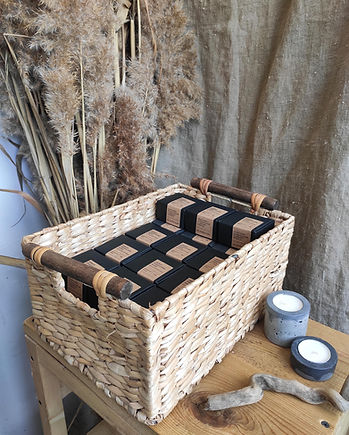

I managed the entire process myself: product design, product photography, packaging, branding, preparing sketches for laser cutting, hand-painting, sourcing materials, client communication, sales, promotion, and business development. This experience became a strong foundation for my professional approach to both photography and working with brands.
MACRA MORE
Later, my younger sister Tatyana joined me. Over time, we noticed that macramé pieces were in especially high demand, and this is how MacraMore was born — a brand inspired by the sea, natural materials, and the coastal spirit of Crimea.
In Crimea, forests grow close to the sea, and during storms pieces of wood drift into the water. Salt and waves polish them over time, making them smooth and beautifully textured. After every storm, Tatyana walked along the beaches collecting this driftwood to use as the base for wall hangings and decorative pieces.


Over time, the brand grew from a small handmade project into a studio creating custom work for restaurants, cafés, boho-style weddings, interior décor, and large international wholesale orders. While Tatyana focused on creating the pieces, I managed the visual and business side of the brand: photo and video content, market booth design, social media, branding, printed materials, and client communication.
WEB AND GRAPHIC DESIGN
To better understand how my own business develops and grows, I pursued an education in web and graphic design.
While working on my personal project, I independently designed the website, visual identity, and content structure. At the same time, I took on projects for other businesses and worked on developing their websites as well.
Below are several projects I created for external companies. These works reflect my approach to interface design and visual aesthetics.

